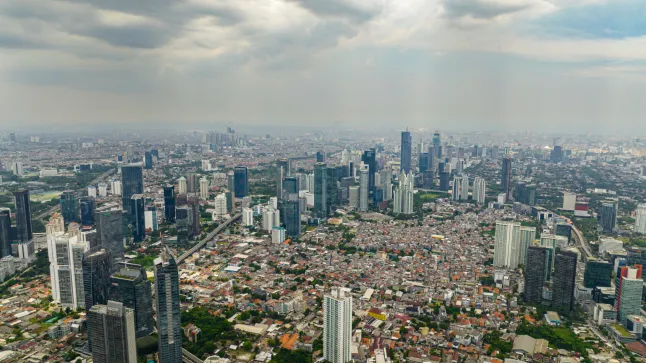
Indonesia’s capital, Jakarta, has overtaken Tokyo to become the world’s largest city, according to a new United Nations report. Jakarta now hosts 41.9 million people, surpassing Tokyo’s 33.4 million. The UN’s World Urbanization Prospects 2025 report shows a growing trend of urban concentration in Asia. As a result, nine of the top ten largest cities are now located in Asia, with Cairo being the only exception.
Bangladesh’s capital, Dhaka, has made significant gains, rising to second place with 36.6 million people. The city’s rapid growth is largely driven by rural migration, as people seek jobs and escape environmental challenges. Dhaka’s population is expected to continue growing, and it is projected to become the world’s largest city by 2050. The trend highlights the ongoing shift of urban populations toward Asia, the region now home to most megacities.
The rise of Jakarta and Dhaka signals a broader global shift toward urbanization. The number of megacities—cities with populations over 10 million—has increased to 33, up from just eight in 1975. This rapid growth reflects the expanding trend of urbanization, particularly in Asia. Cities like New Delhi, Shanghai, and Manila are also seeing substantial population increases. Cairo remains the only non-Asian city in the top ten.
However, Jakarta’s growth comes with serious challenges. As a low-lying coastal city, Jakarta faces major risks from flooding and rising sea levels. Estimates suggest that one-quarter of the city could be underwater by 2050. The Indonesian government is already relocating its administrative capital to Nusantara in Borneo to reduce pressure on Jakarta. Despite this, the city’s population is still expected to increase by 10 million by 2050, making infrastructure and resource management critical.
Dhaka’s growth is also driven by migration and climate change, which have worsened flooding and living conditions in rural areas. With more people flocking to the city, Dhaka faces significant challenges in managing urbanization. Meanwhile, cities like São Paulo and Lagos are leading growth in the Americas and Africa. The UN report also highlights the growing need for standardized definitions of urbanization to better manage future global growth.